
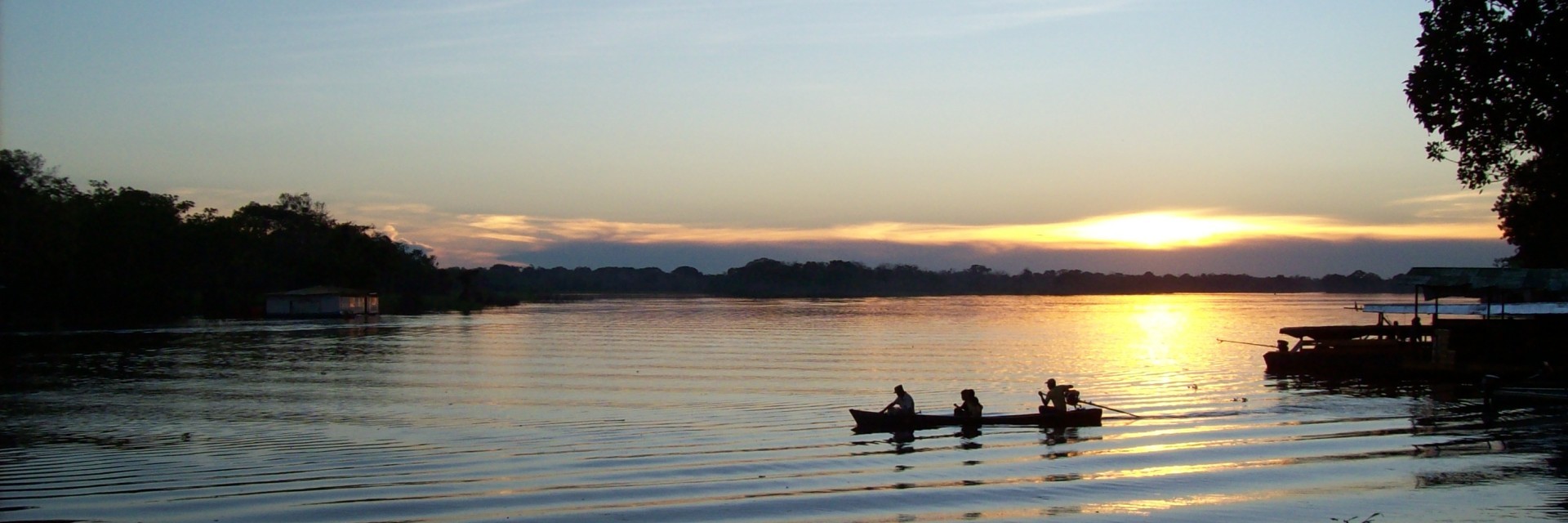
Activities and Excursions in the Amazon Rainforest
Experience unforgettable moments with us
Our aim is to make you live a magical experience allowing you to share diverse activities with the native population and to benefit, in respect for the environment, from the wonders of this exuberant nature and the great cultural diversity.
During your excursions in Amazonia you will camp in wild nature with tents or hammocks. Our Columbian guides will be at your side to advise you during your trips, your walks (at day and at night) and your treks in the Amazon rain forest.
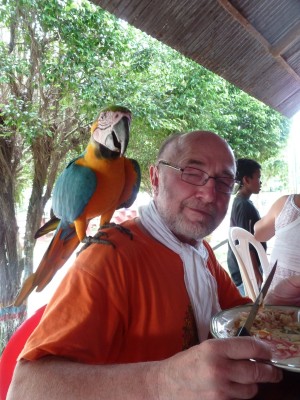
You can observe animals in their natural environment: rose dolphins, grey dolphins, caymans, apes, dantas (a sort of tapir), birds, parrots, pirarucu (biggest South American sweet water fish), butterflies and other tarantulas and ants.
And of course the flora, in its natural environment or in botanic gardens: Ceibas, creeper, palm trees and the sublime orchids.
During your excursions you will also discover different elements of the complex water system of the Amazon basin, big and small rivers and lakes, by canoe, devoting yourself to canyoning or during refreshing baths in the natural swimming pools.
Your voyage in Amazonia will also be the occasion to visit indigenous communities where you will be initiated in the local fishing techniques.
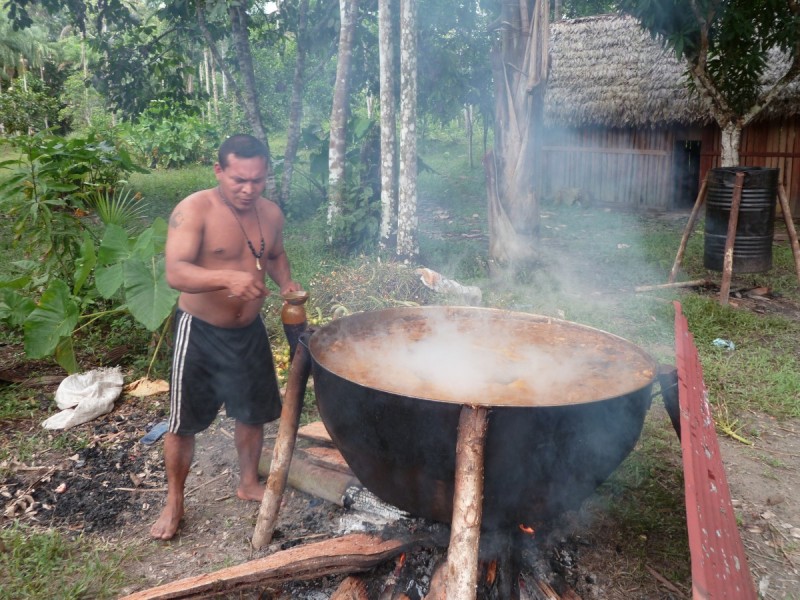
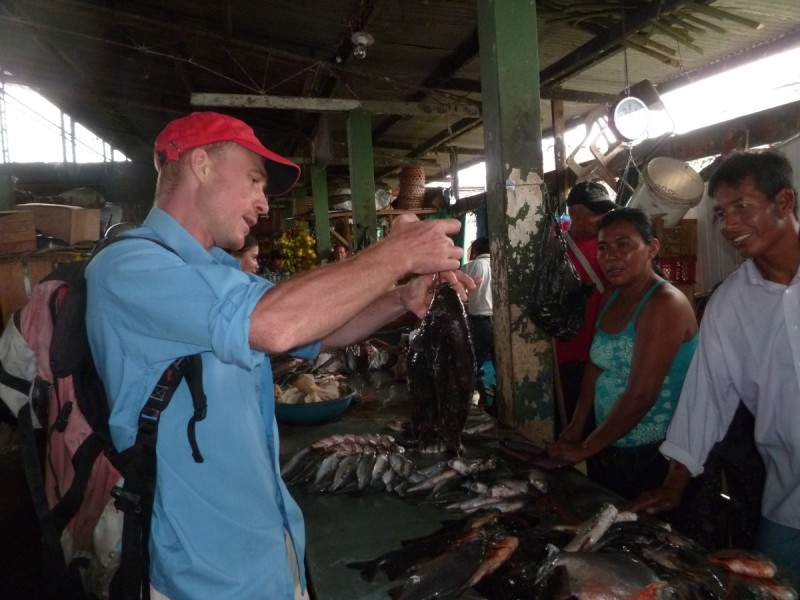
You will visit local orchards, their plantations and agricultural techniques, you'll be able to discover the traditional process of transforming food, coca, tobacco and fermented drinks; the Amazon gastronomy by tasting fruits, fish and prey; the craft studios, waving and sculpturing; the Maloca, traditional house of Amazonia, but also the rituals of the Shamans, the indigenous cosmological vision, singing and dancing, tattooing and natural paintings...
In one word, everything that accounts for the wealth of the ancestral knowledge, of the rituals and the culture of the native populations.
All our ecotourism activities
1.Discovering the lakes
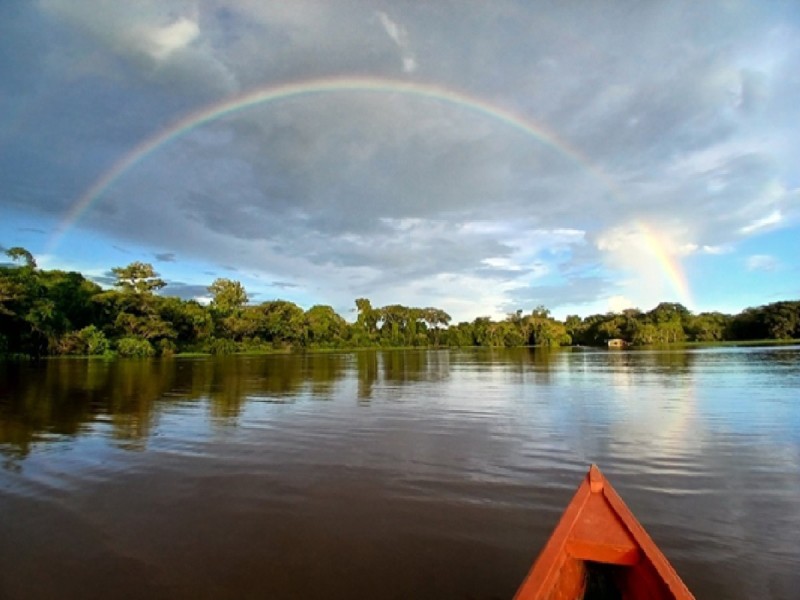
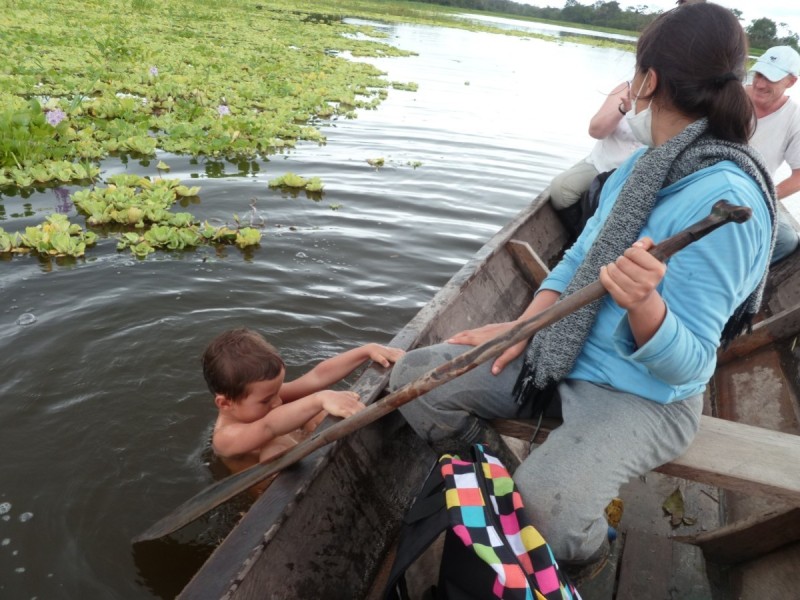
Amazon trips with typical wooden oared canoes or with motor boats, very secure as you will be provided with a safeguard jacket and accompanied by a native guide. When the river is high and the forest is flooded it is possible to go by boat for the discovery of the forest ecosystem called varzea, term that describes the regularly flooded zones of the Amazon forest, rich of regionally typical flora and fauna.
During the inundations in the Andes, the precipitations in the Amazon rain forest affect the river level in a different way. Only the small local currents are rising, but their level goes back down quickly after the rain has stopped. Because of the high quantity of sediments, the grounds of these areas are among the most fertile in Amazonia. From this, the big rivers rise up to 30 metres of altitude and the flood can penetrate up to 20 kilometres alongside the plain land. At this moment the fishes are able to reach the fruits on the trees and eat their seeds! For them it is the time for reproduction during which they lay their eggs. The flood lasts less than 6 months with a peak of around 3 months.
The grounds fertility and easy access to protein sources, by which is meant the fish, tortoises or alligators, attract the indigenous populations to these regions.
The zones that can be flooded by the rivers emerging in the forest, are called igapós. They don't contain any sediments and their ecosystem is different from the varzea. The colour of the water there is burgundy, colour of red wine or rust.
Finally, firm earth covers the high-lying zones which are never flooded. The ecosystem there is again different.
2.Forest walk – night walk
In the dry season it is possible to go walking in the forest of the sometimes flooded zones (varzea and igapó), or again while the water level is low. This is an exceptional trek in Amazonia during which you can observe these ecosystems, their climate, their fauna and their flora.
Walking at night amongst these different ecosystems, that is varzea, igapó and the firm earth, extraordinary nocturnal fauna can be discovered: fireflies and luminous butterfly larva, as well as phosphorescent mushrooms.
3.Discovering indigenous orchards
Go into the field to meet the native populations, all their cultivated plants and their methods of culture, as well as the ecosystem, the fauna and flora of the chagra.
4.The “Salado”, supernatural organiser of animal life...
A singular place in the Amazon forest where all the animals of the forest have to go in order to eat a particular kind of mud which acts on them like a purge.
5.Traditional fishing, rowing and canoeing
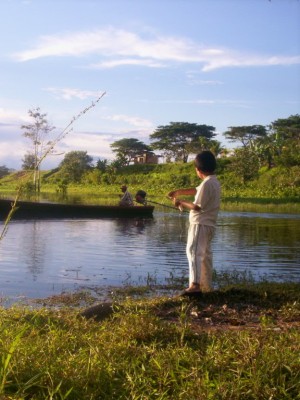
Part of the traditional fishing by the use of a lance or a fishing rod, accompanied by men from the village.
6.Observing the cayman
At night and with an electric lamp it is possible to see their eyes and even to catch a small one of around 3 months. When the water level is low it is very easy to observe the caymans, contrary to during flood period, as they take refuge inside the forest at places hard to access.
7.Observing rose and grey dolphins
Rose and grey dolphins can be observed in the lakes and rivers in broad daylight. Contrary to the caymans, they hardly can be seen when the water-level is low, as this is a period of reproduction so they hide upstream in isolated rivers.
8.Temporary tattoos of huito (Amazon fruit)
It is possible to extract natural dye out of this fruit and to make tattoos out of it, as well as paintings for some hours or days.
9.Approach to Ticuna culture
Throughout your voyage in Amazonia you will learn a lot of the Ticuna culture, notably the different greetings of these Amazon Indians.